


Pain Point ①: Monsoon humidity and mold
India's monsoon climate—especially in coastal cities like Mumbai and Chennai—brings high rainfall and humidity.
Traditional materials such as gypsum board or wood easily absorb moisture, leading to mold, bacterial growth, and degraded indoor air quality.
Solution:
Flexible Stone offers exceptional water and salt-spray resistance, preventing mold growth and preserving surface beauty over time. It requires minimal maintenance and performs excellently in bathrooms, pool areas, spa rooms, and coastal architecture.
Pain Point ②: Harsh UV radiation and thermal aging
With summer temperatures soaring above 45°C in regions like Rajasthan and Delhi, many traditional tiles and stones expand, crack, or fade, compromising safety and aesthetics.
Solution:
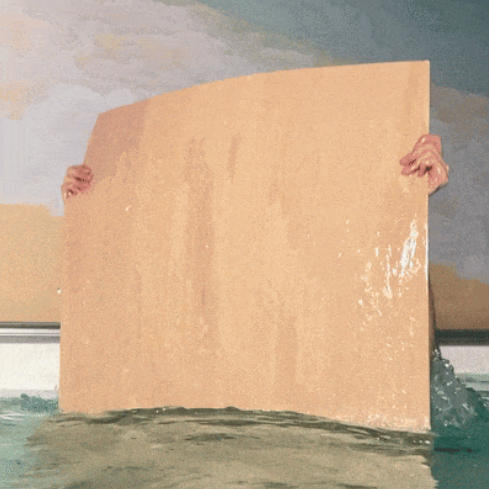
Flexible Stone has passed 2,000 hours of accelerated weathering tests, equivalent to 30–50 years of outdoor use.
Its inherent flexibility allows it to adapt to minor structural movements—keeping building facades vibrant and intact for decades.
Pain Point ③: Pollution and dust erosion
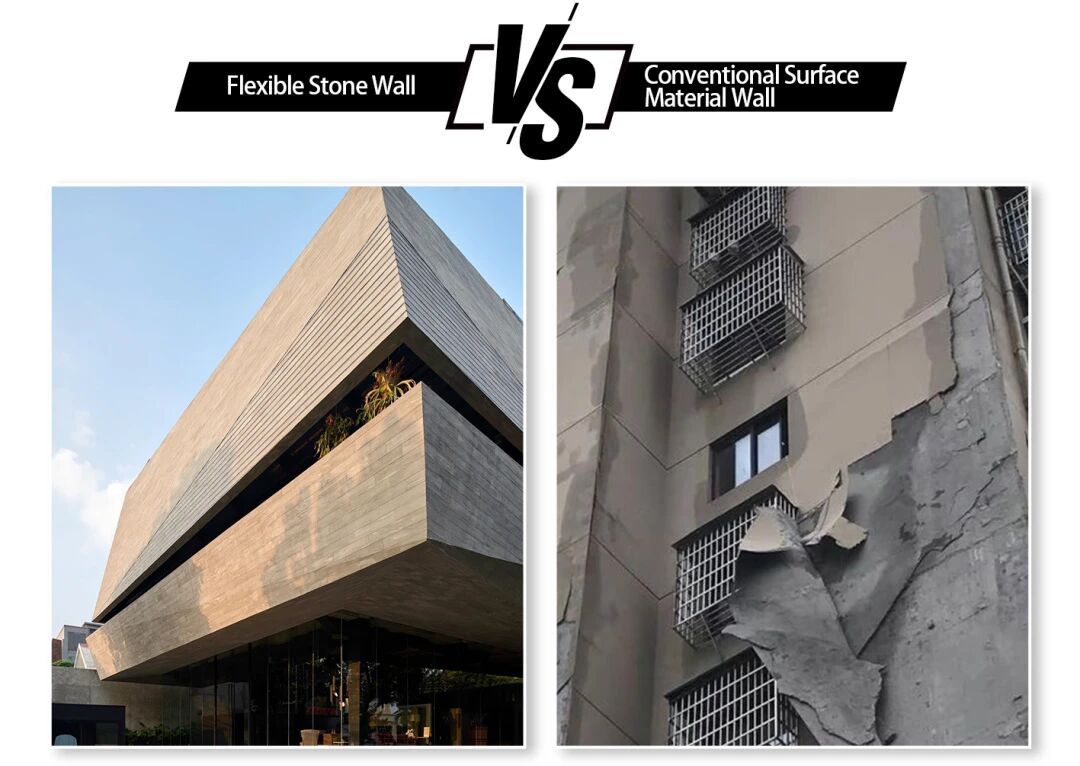
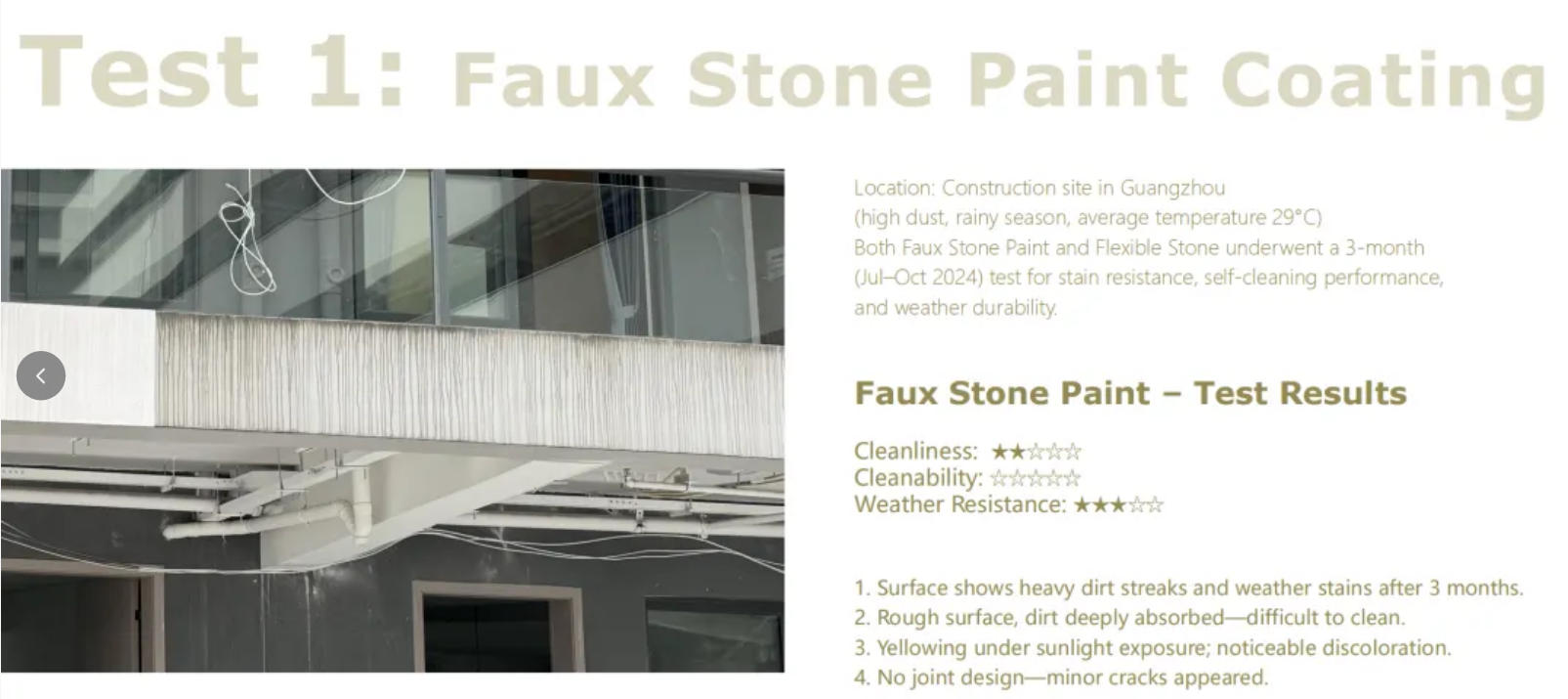
Air quality in India's industrial and urban areas often fluctuates due to dust storms, acid rain, and particulate matter, which can cause exterior coatings to peel and surfaces to roughen.
Solution:
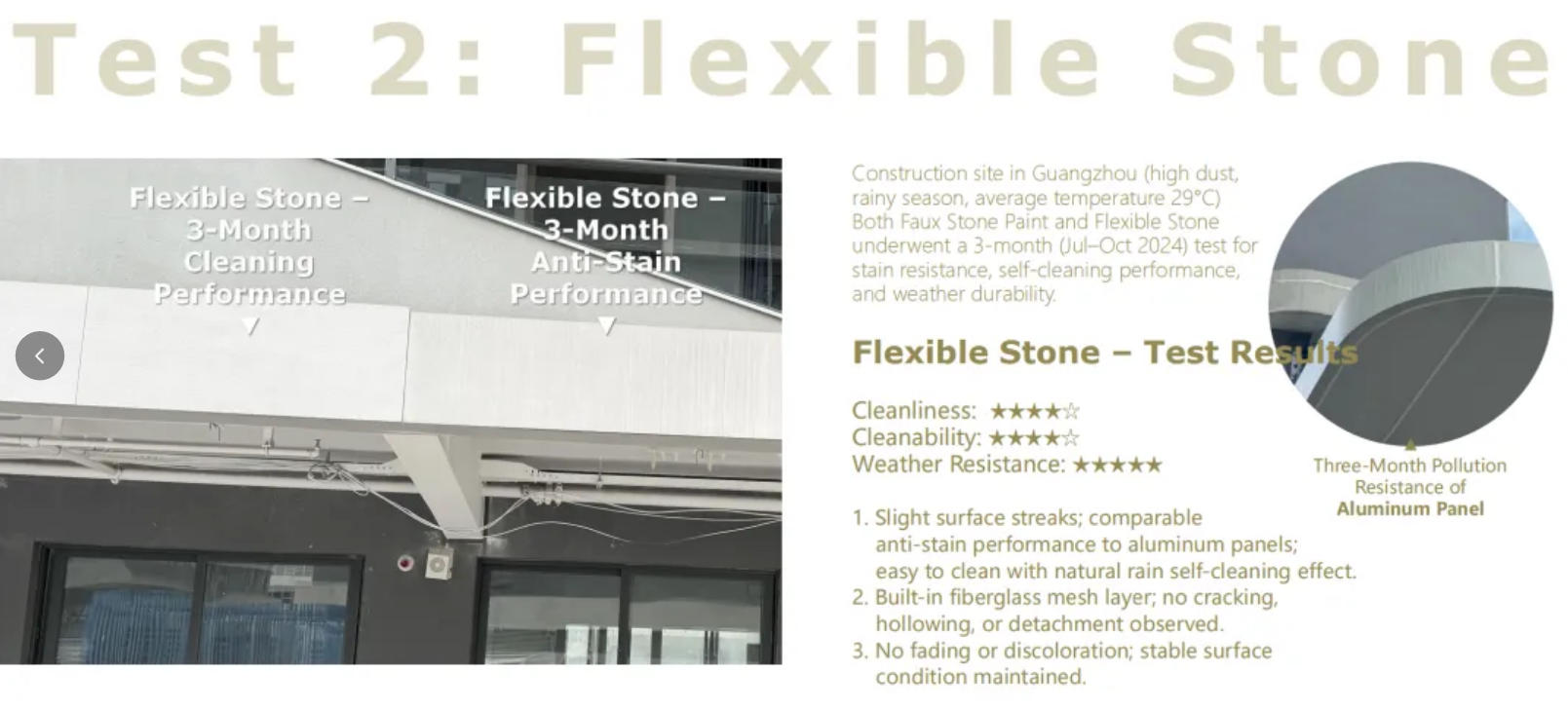
Flexible Stone features self-cleaning, anti-pollution, and acid-alkali-resistant properties.
With its proprietary CleanCharge™ surface technology, rainwater alone can wash away surface dirt—making it ideal for high-pollution urban commercial and residential spaces.
Pain Point ④: Installation challenges in seismic zones
Regions near the Himalayas and India's northeast face seismic risks. Traditional rigid stones or bricks are heavy, fragile, and costly to transport and install, requiring complex support systems and extending project timelines.
Solution:
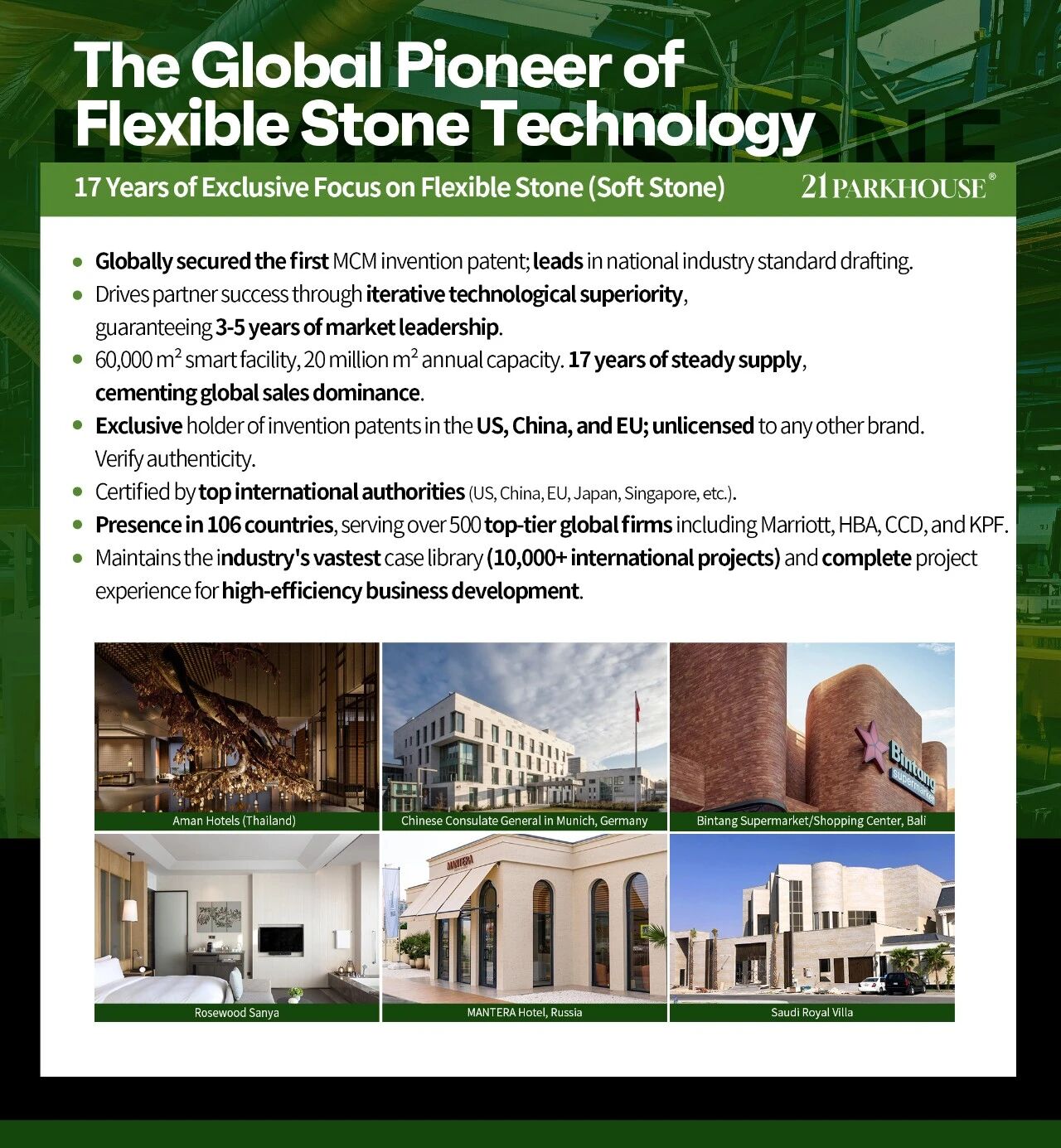
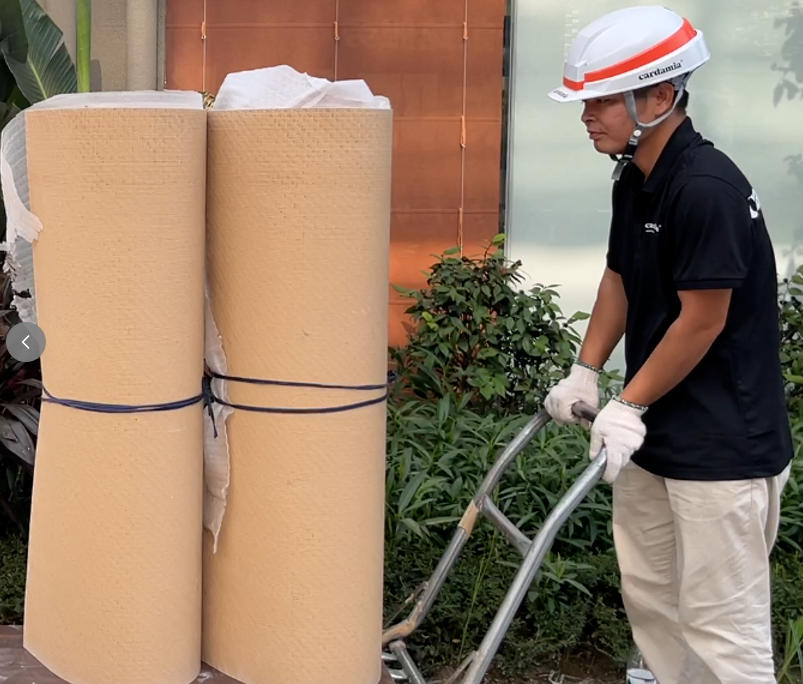
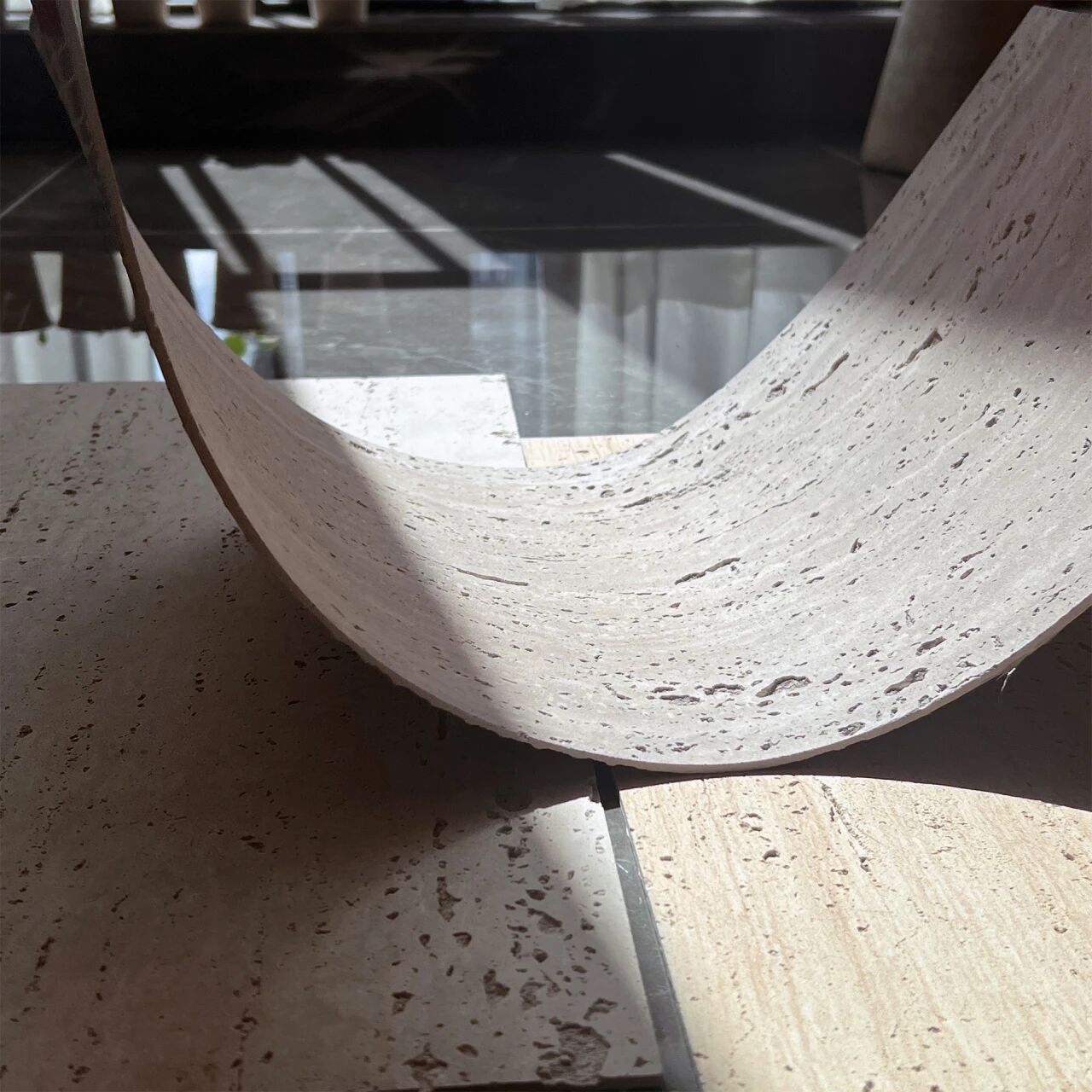
Flexible Stone weighs only one-sixth of natural stone, can bend along curved surfaces and columns, and can be wet-installed without mechanical fixing systems.
Its lightweight and flexible nature enhances impact resistance and construction efficiency, making it ideal for earthquake-prone regions and remote sites.
Pain Point ⑤: Carbon emissions and waste management
The construction industry contributes over 30% of India's total carbon emissions. Conventional materials are carbon-intensive and hard to recycle. With the Paris Agreement and carbon taxation policies, developers are increasingly required to use low-carbon, circular materials aligned with ESG standards.
Solution: Flexible Stone is made from natural stone powder and mineral clay, is formaldehyde-free, odorless, and ready for immediate occupancy after installation.
It meets international green certification standards (including Bureau Veritas France and Singapore Green Label) and is 100% recyclable—echoing India’s commitment to green building and circular resource use.
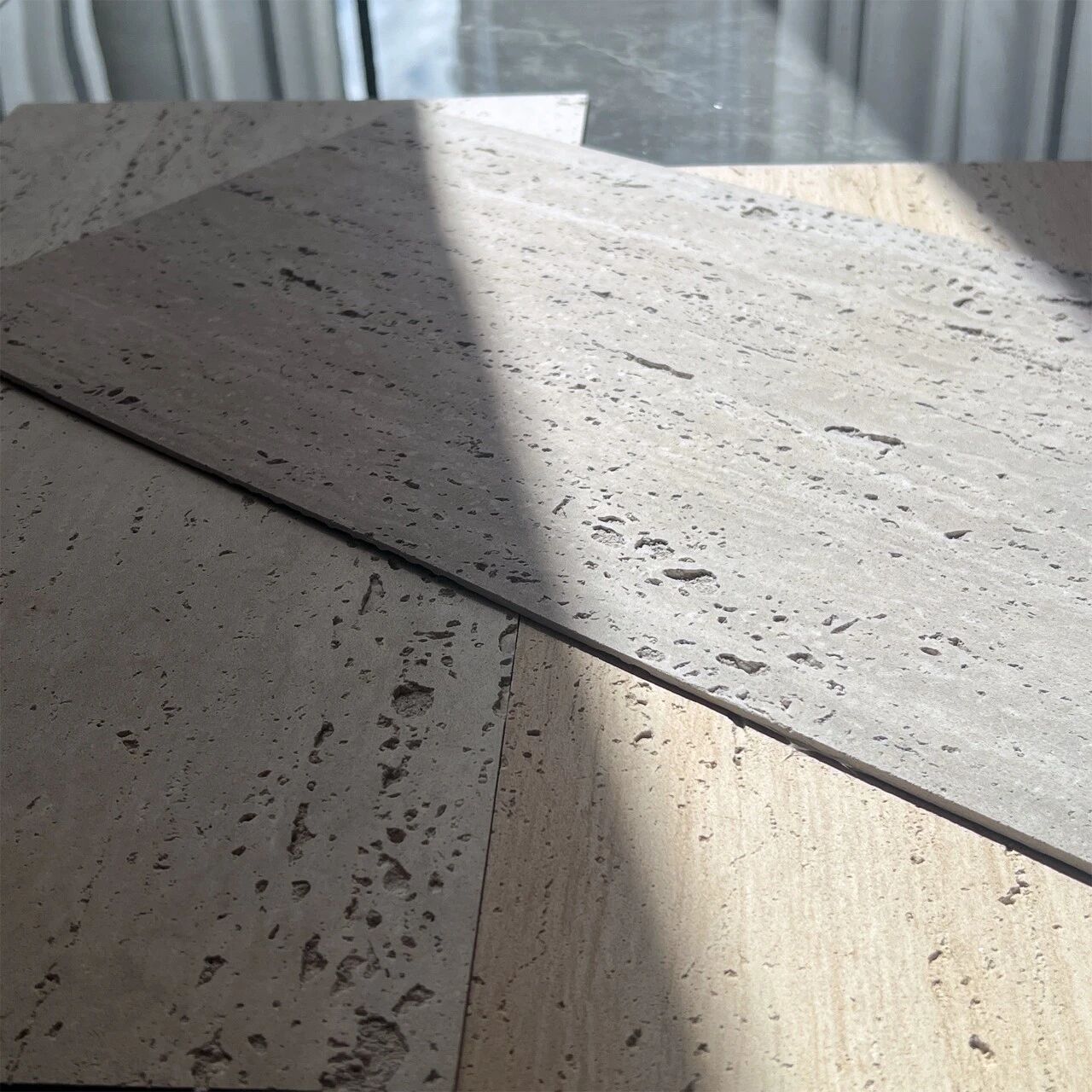
# Sheraton Hotel, Chennai
*Interior & exterior walls featuring Roman Travertine, Blanc Stone, and Kiln Brick series.
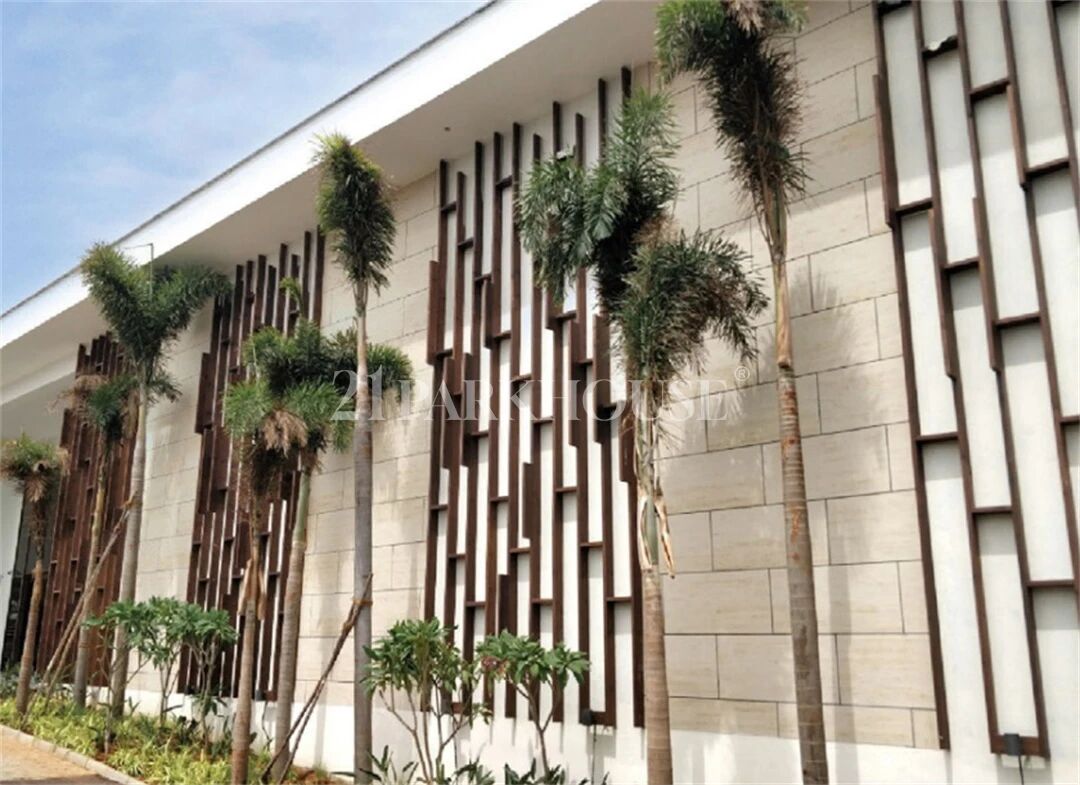
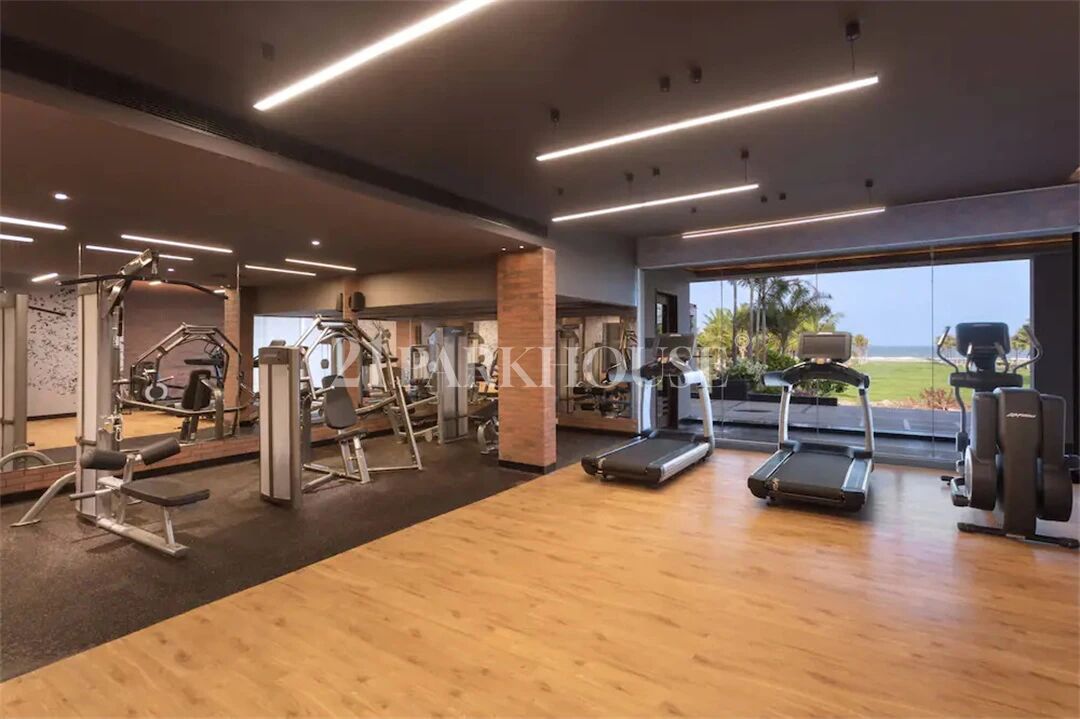
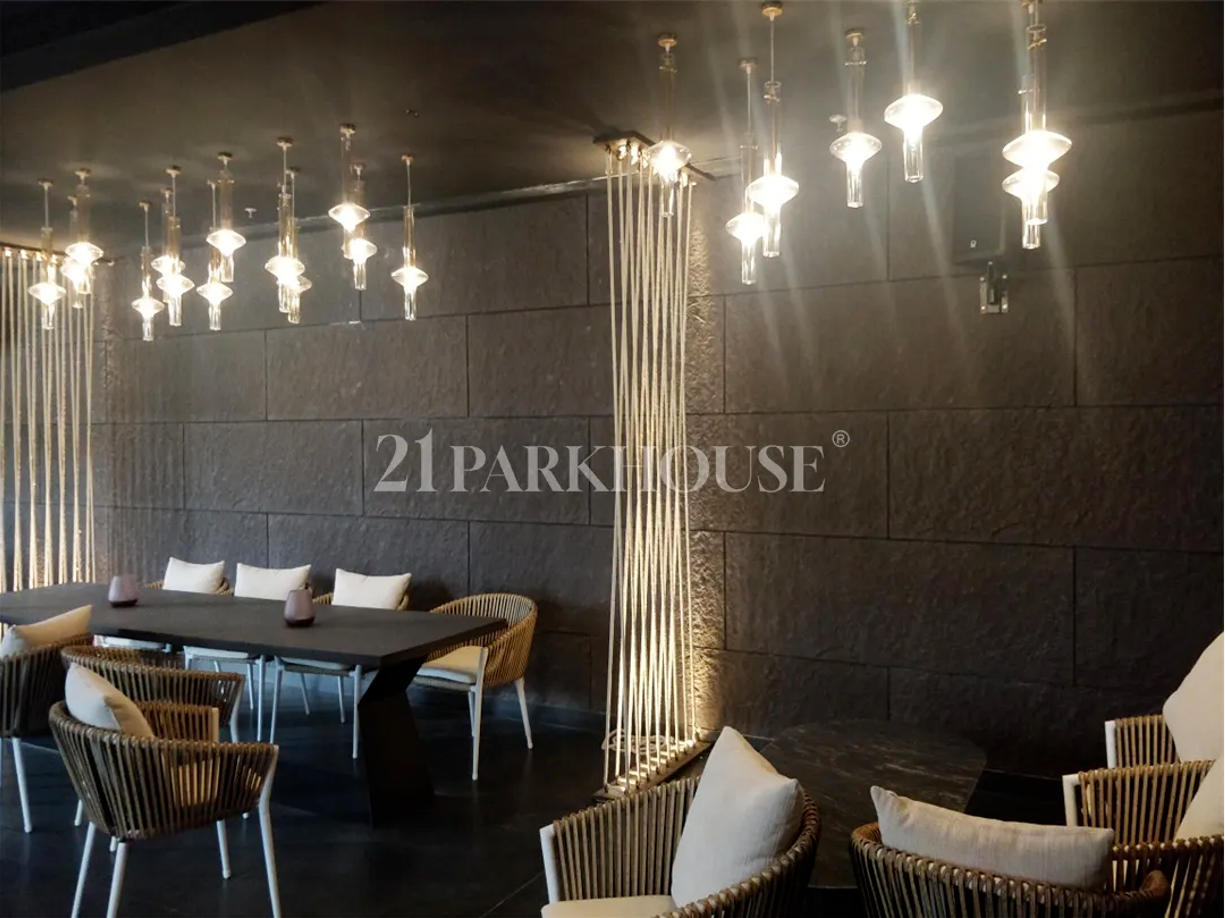
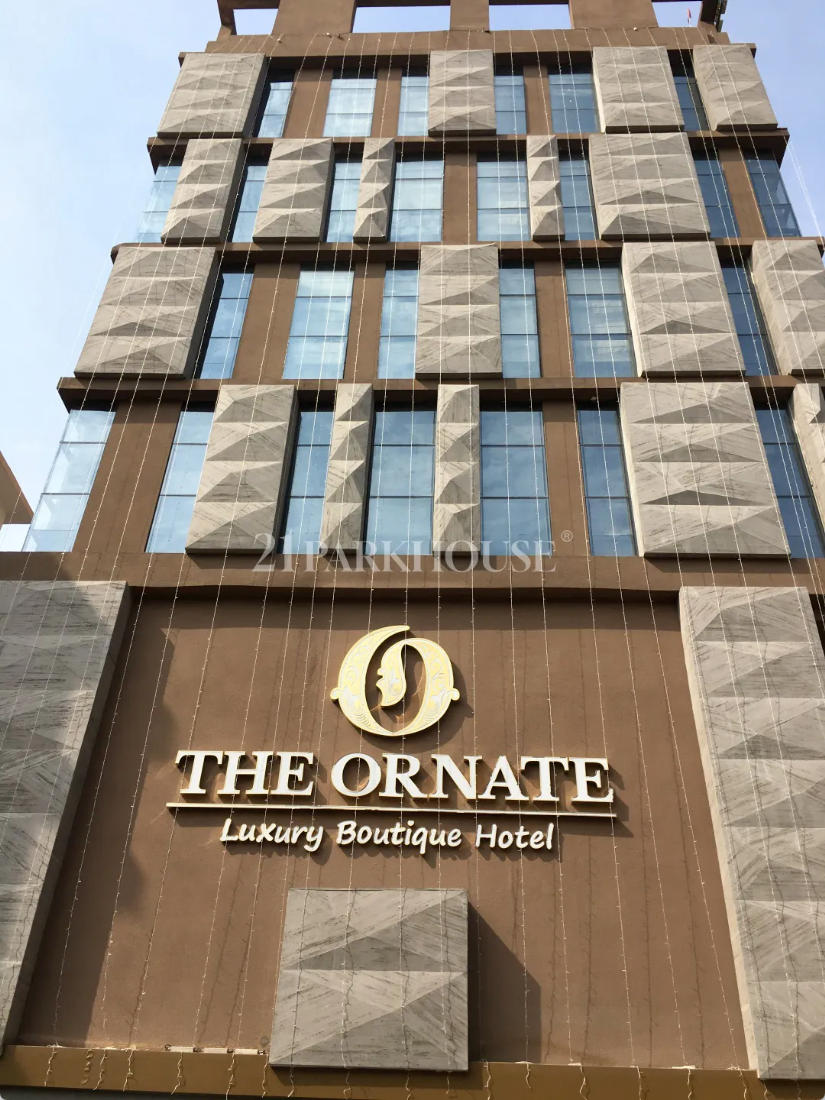
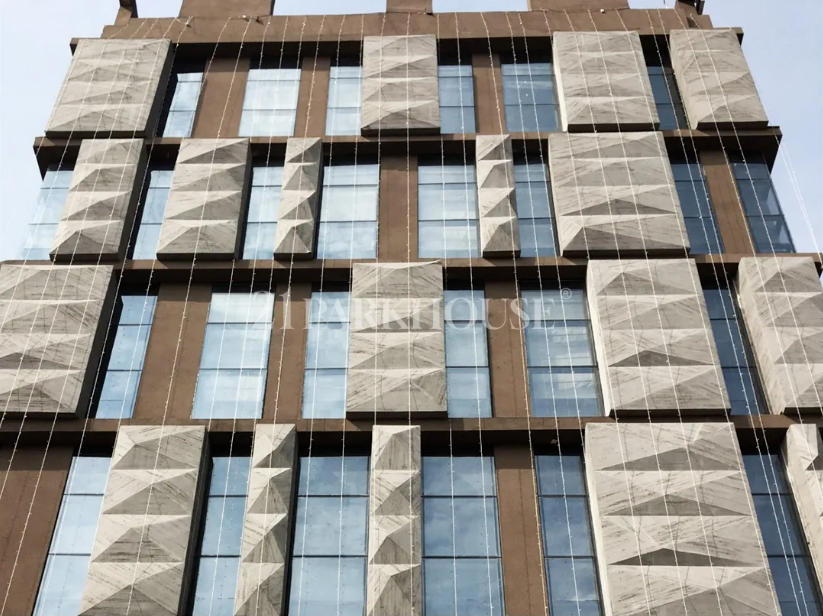
# Ornate Hotel, Guwahat
*Exterior walls clad in Roman Travertine.
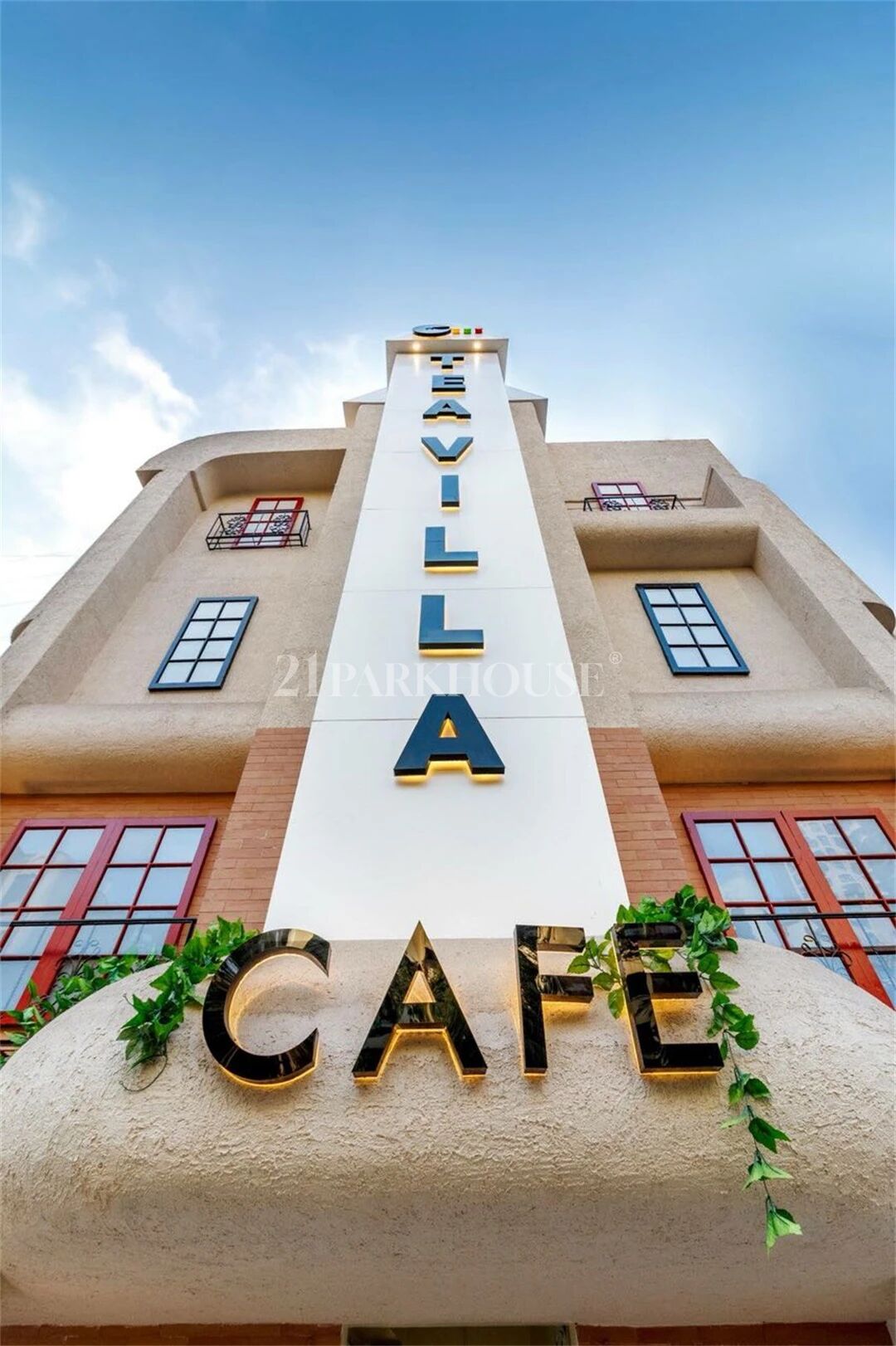
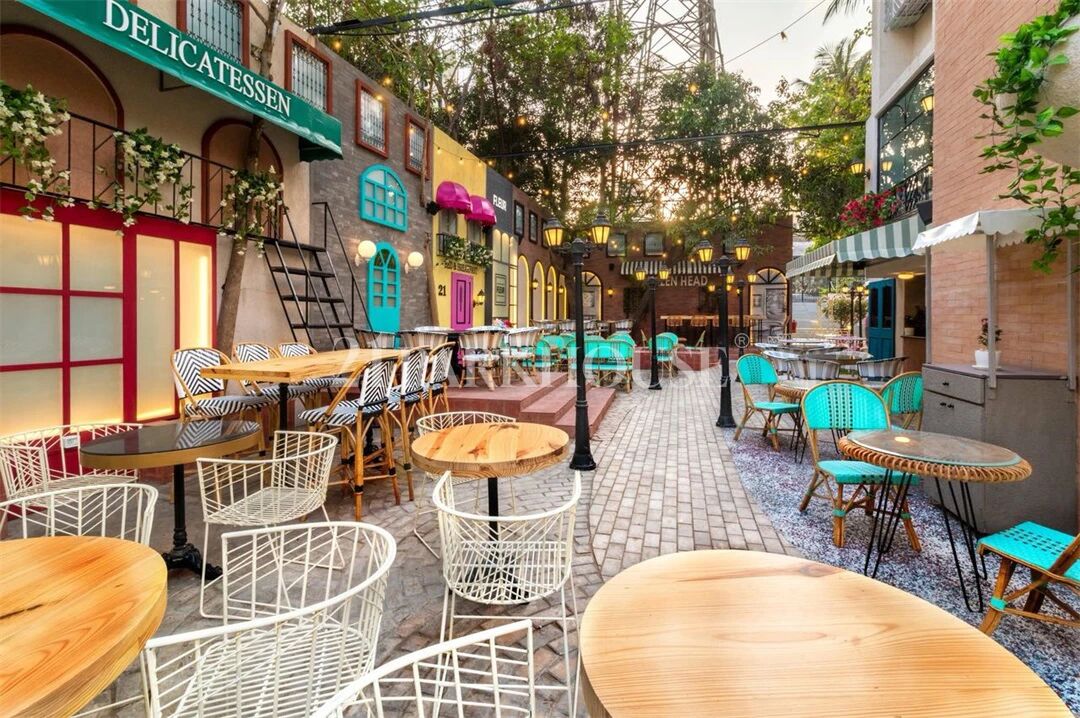
# Tea Villa Café, Mumbai
*Exterior façade using Kiln Brick series.

# Private Villa, Mumba
*Exterior walls with Split Brick series.

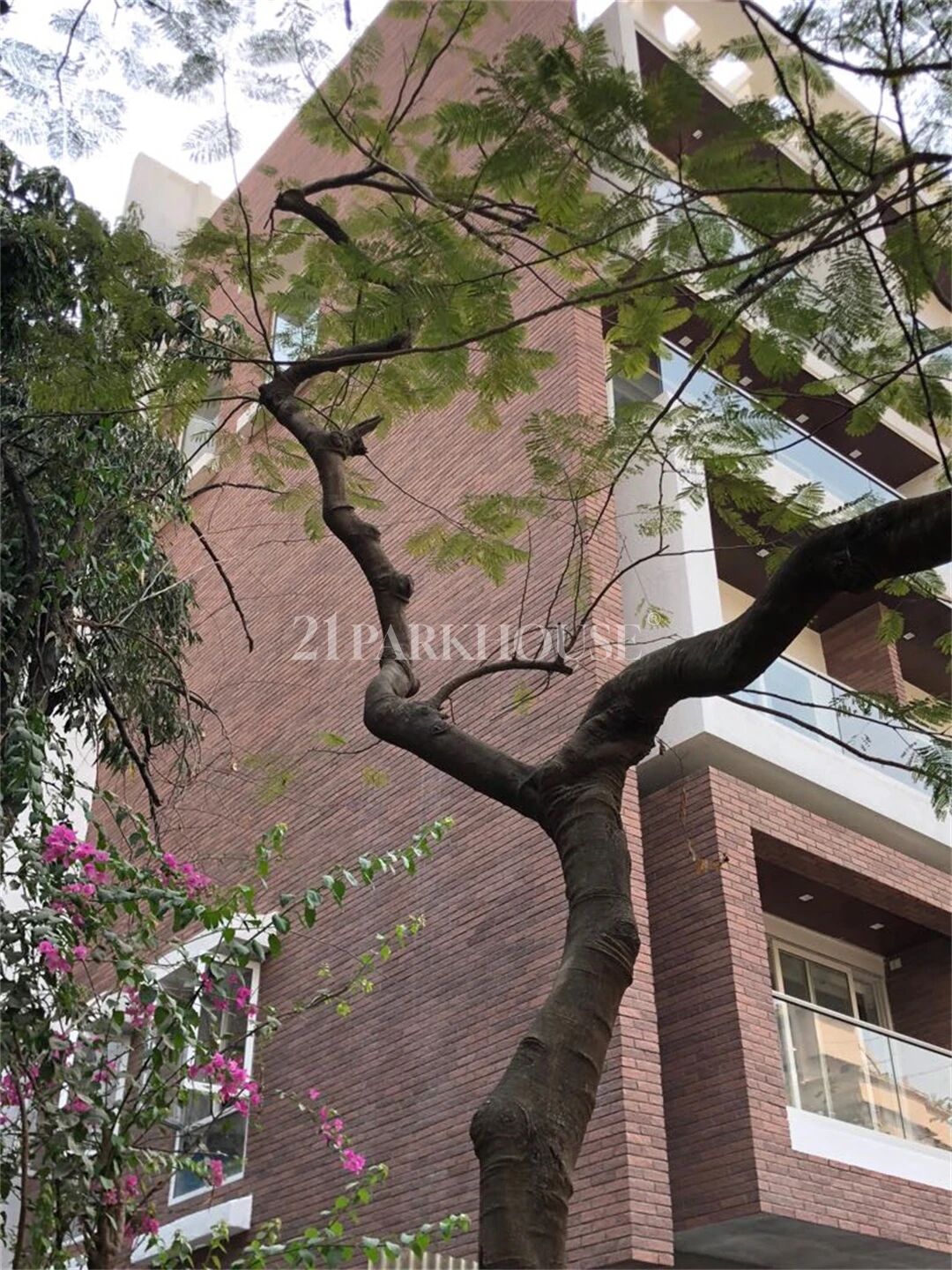
# Hyderabad Apartment Complex, Mumbai
*Exterior cladding in Glacier Stone.
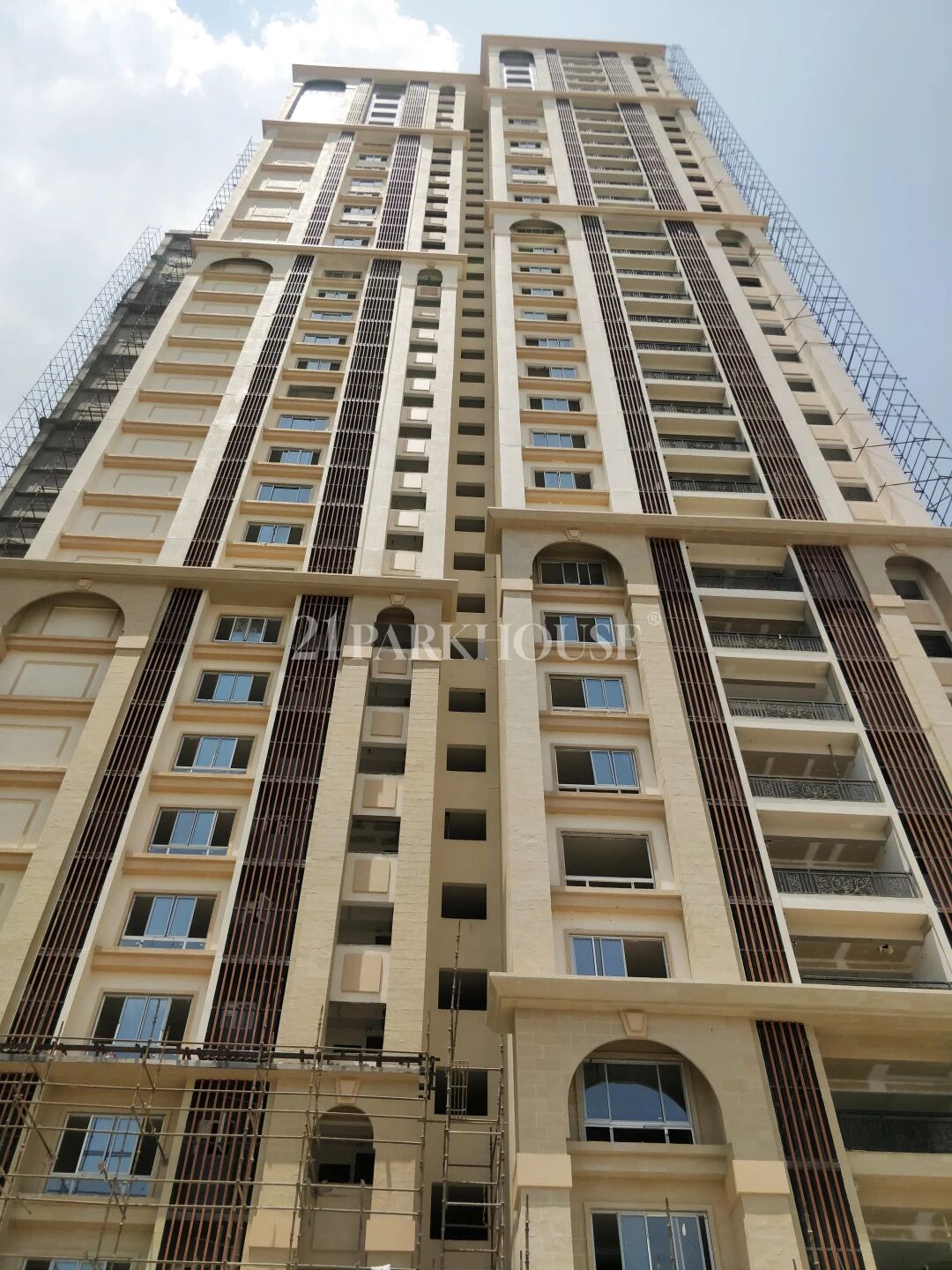

# Urban Residential Tower, India
*Interior walls in Glacier Stone.
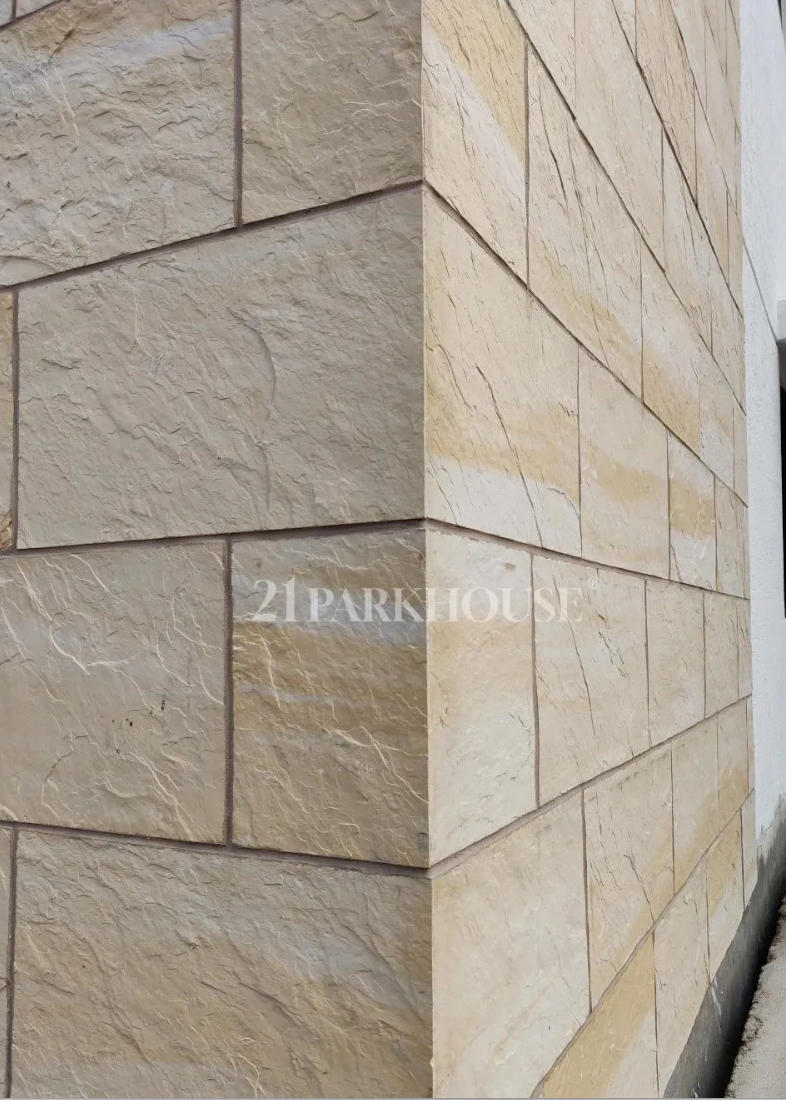
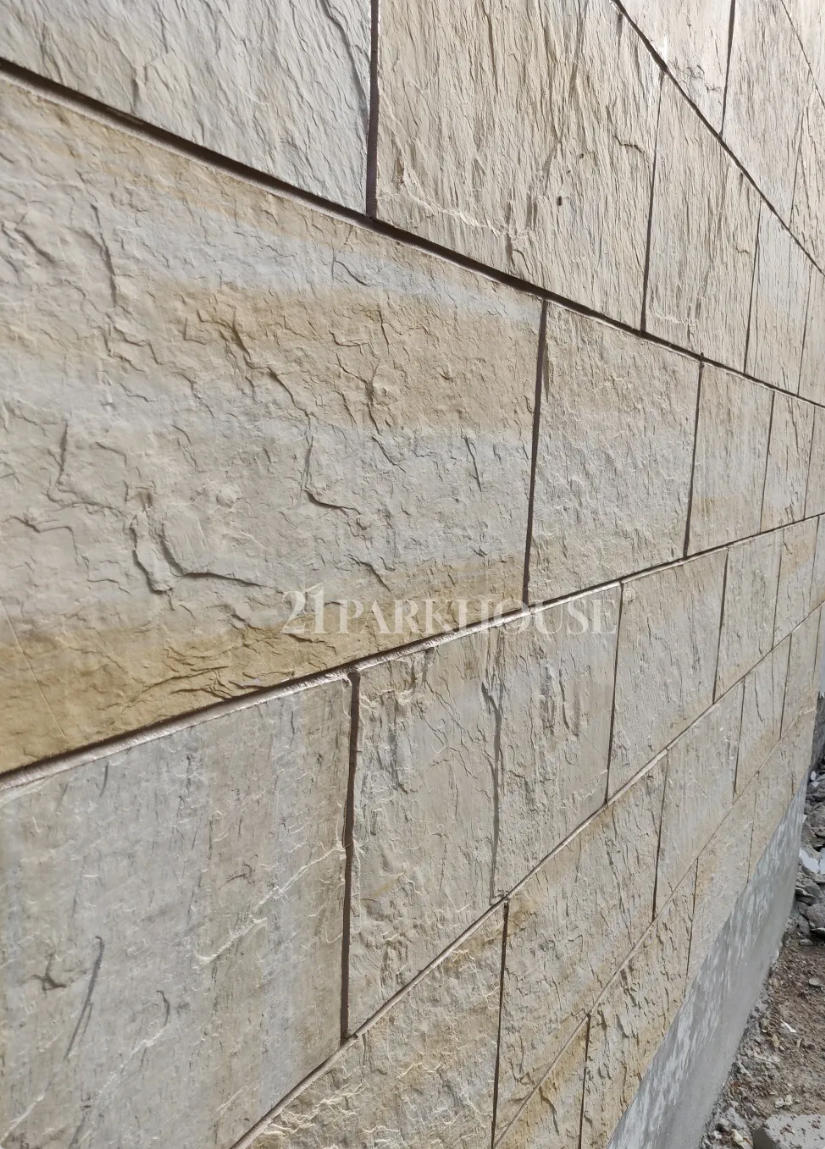
# Government Building Project, India
*Exterior façade in Glacier Stone.
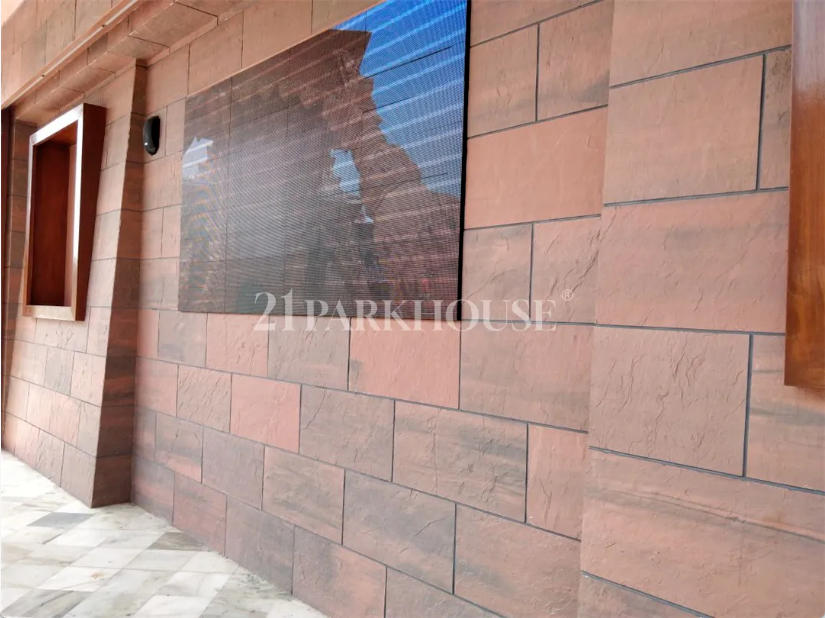
# Kalinga Institute of Industrial Technology, India
*Exterior walls in Glacier Stone.

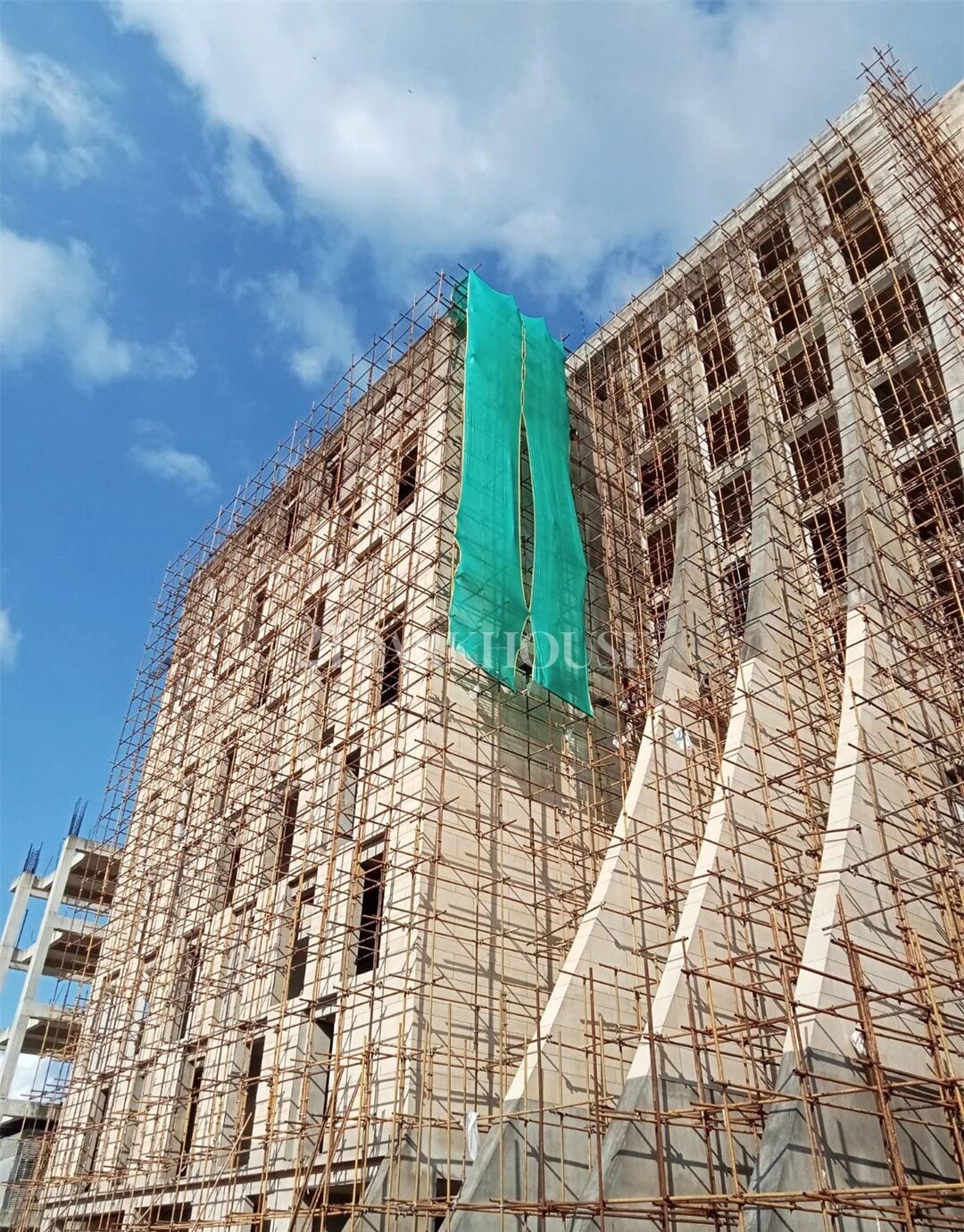
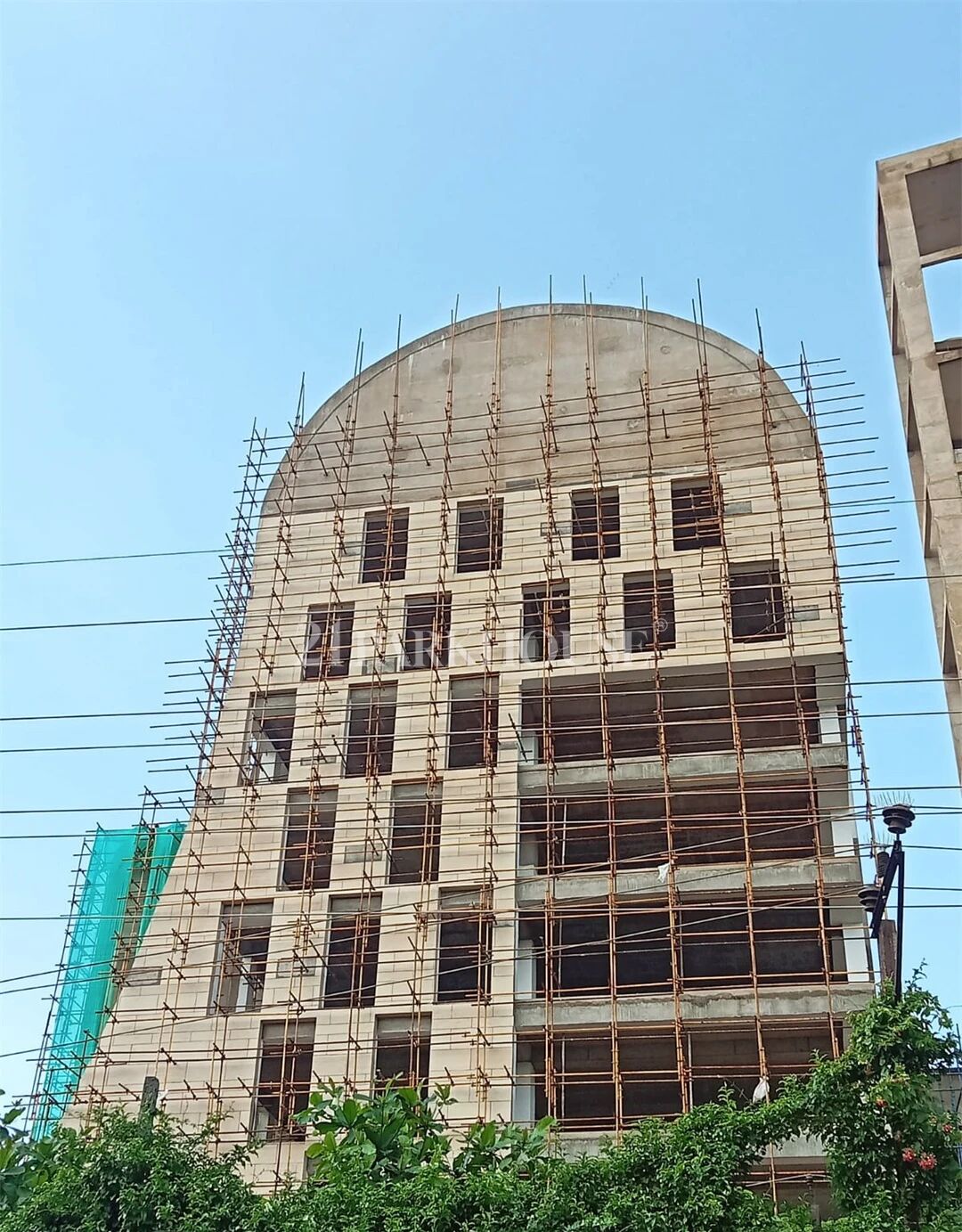
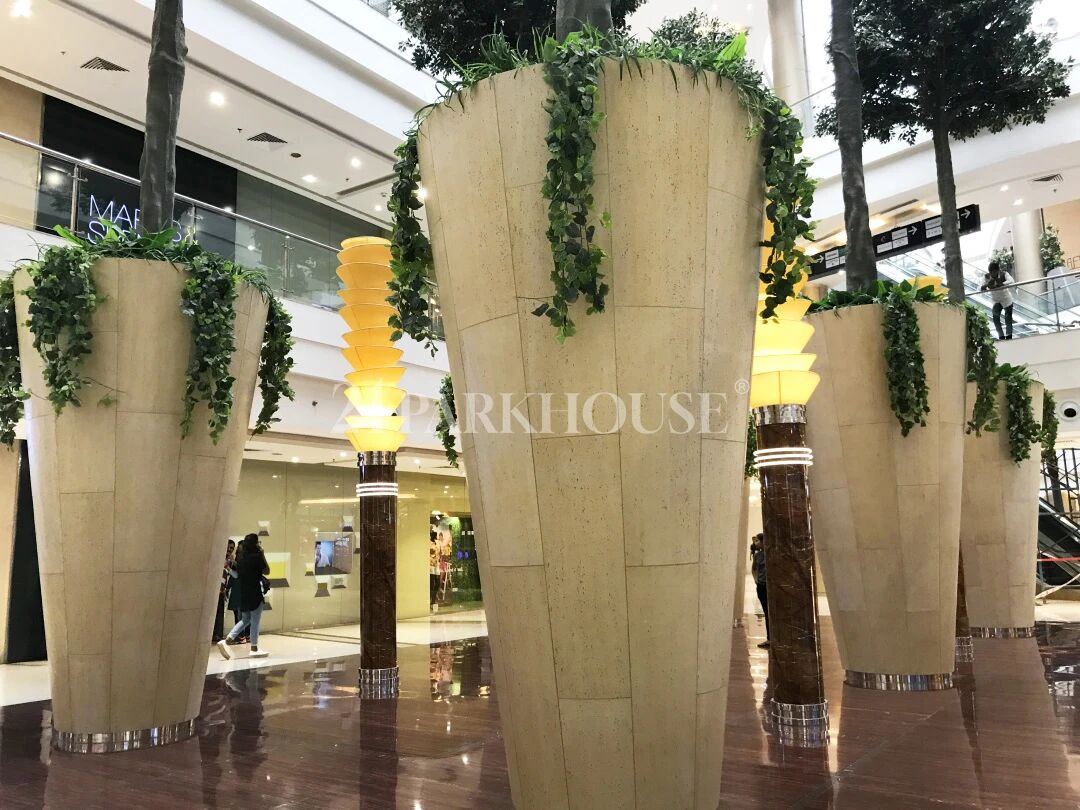
# Phoenix Marketcity, Kurla, Mumbai
*Interior walls featuring Roman Travertine.
With its authentic stone texture, Class-A fire rating, superior moisture and aging resistance,21Parkhouse® Flexible Stone empowers architects and developers to achieve sustainable, elegant, and high-performance designs—unlocking infinite creative possibilities for the future of Indian architecture.